LALAL.AI
Founding designer and design lead. I was responsible for the first product, the brand and marketing design. I then developed core workflows and new products, built the design team and led the work on apps.
During my time on the project
- audio separation operations in 2025. Company report for 2025.
- +63.8m
- registered users by the end of 2025
- +6.8m
In 2020, the co-founders came to me with a hypothesis: AI audio separation could be useful to music producers and sound designers. There was no product yet. We needed to show how the technology worked on real recordings and find out whether people would pay for the results.
The first product and brand
The first LALAL.AI user experience
LALAL.AI multitrack player
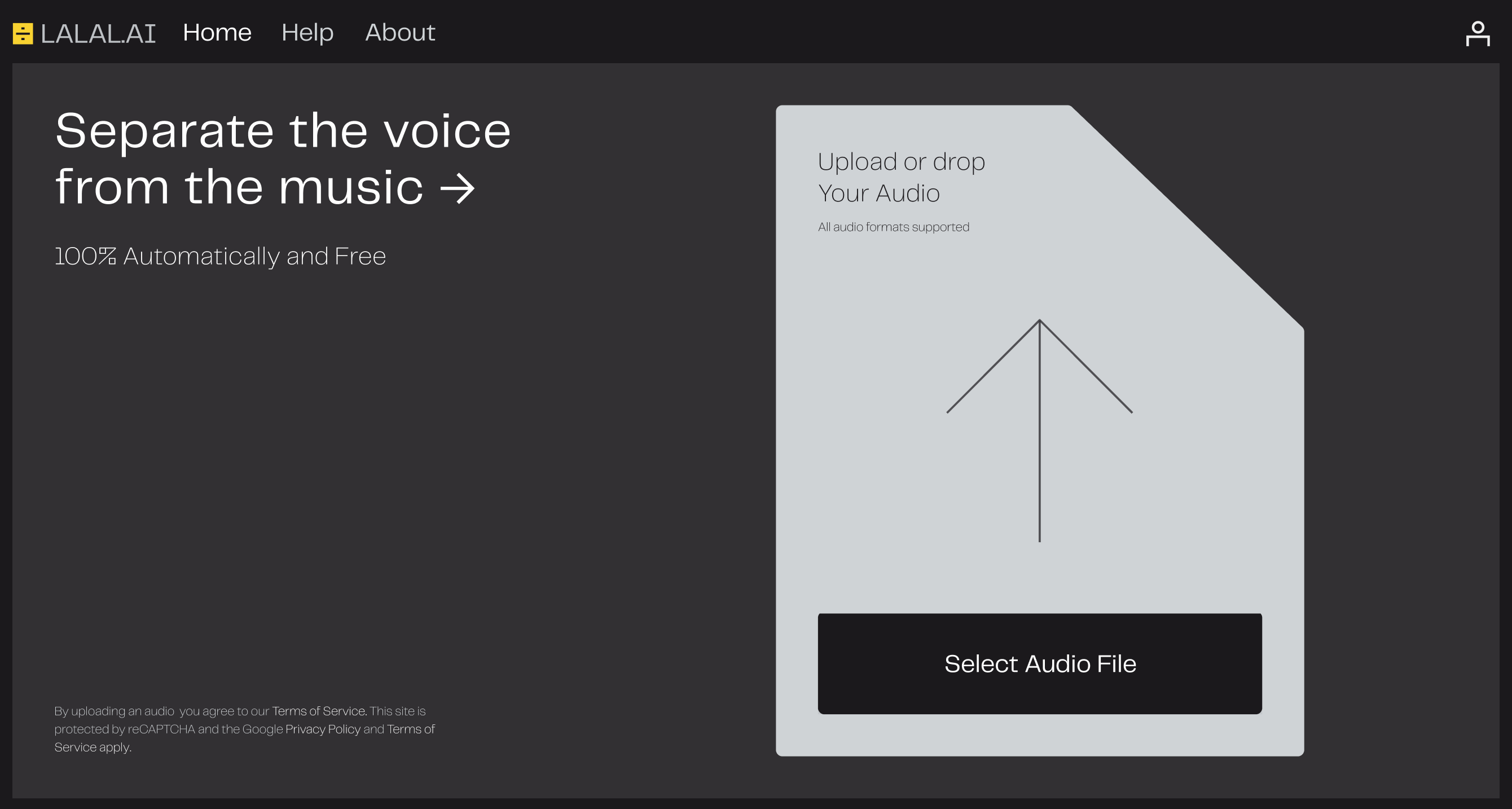
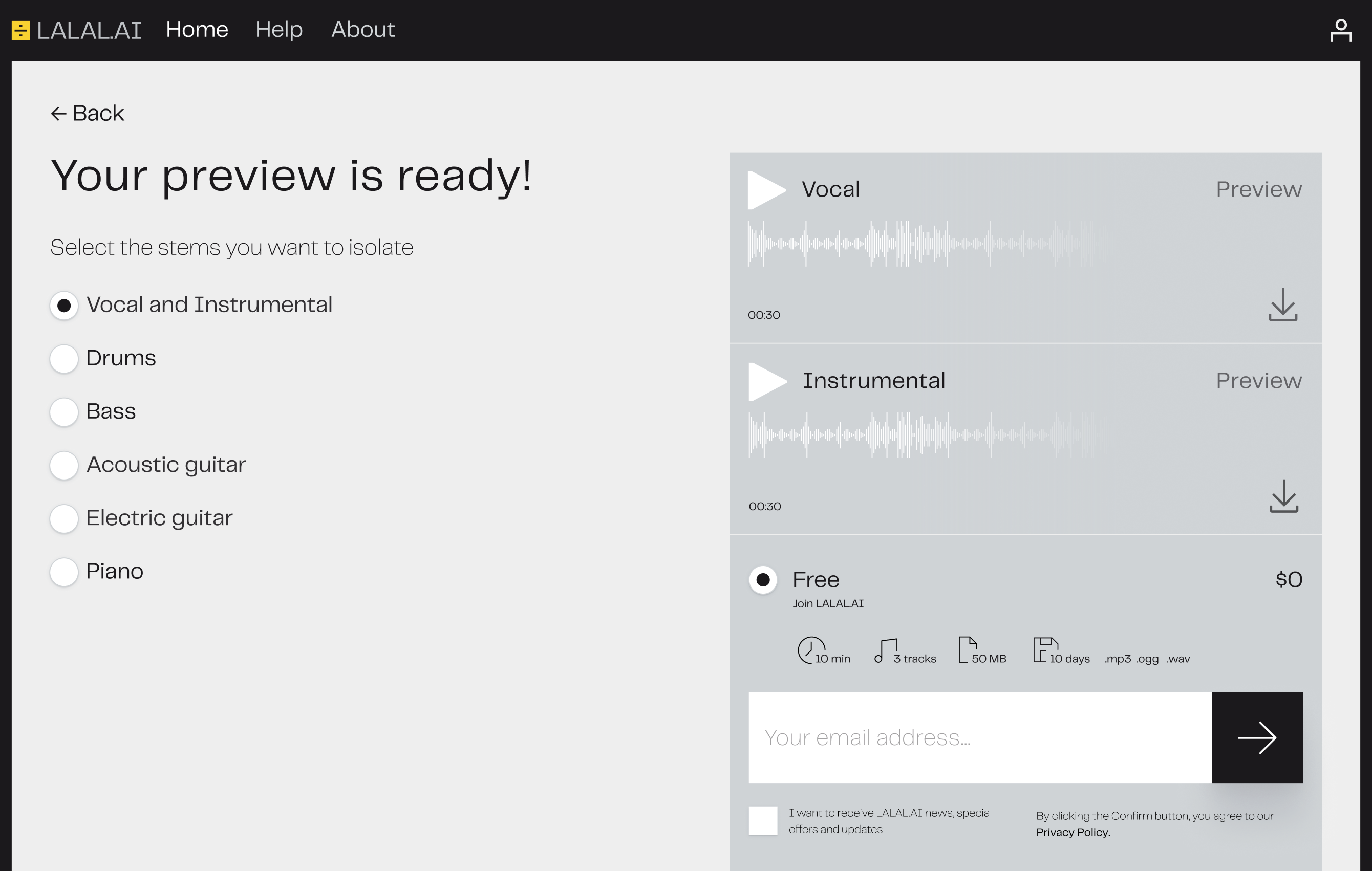
The MVP covered uploading a file, listening to the separated tracks and getting the result by download or email. I designed this flow without mandatory registration so people could test the quality on their own recordings.
Free previews used server resources before anyone paid. I argued for keeping this trade-off: people needed to hear the result before deciding whether it was worth paying for. We kept this principle as we added more complex workflows.
In January 2021, the company reported more than 3,000 uploads a day and 70,000 tracks processed in the previous month. Source.
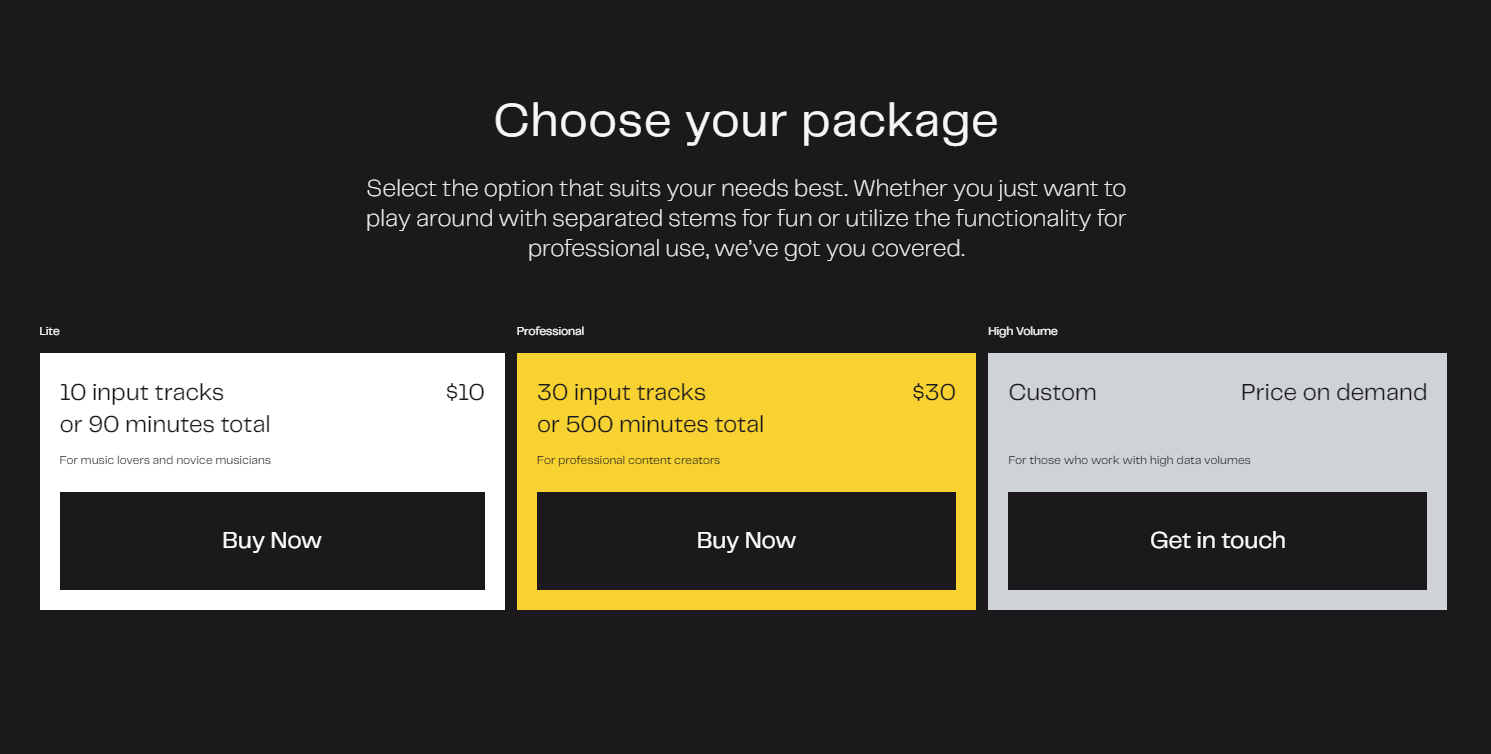
Announcement graphics: paid packages.
Announcement graphics for the model Cassiopeia.
Announcement graphics: video formats.
Announcement graphics for key detection.
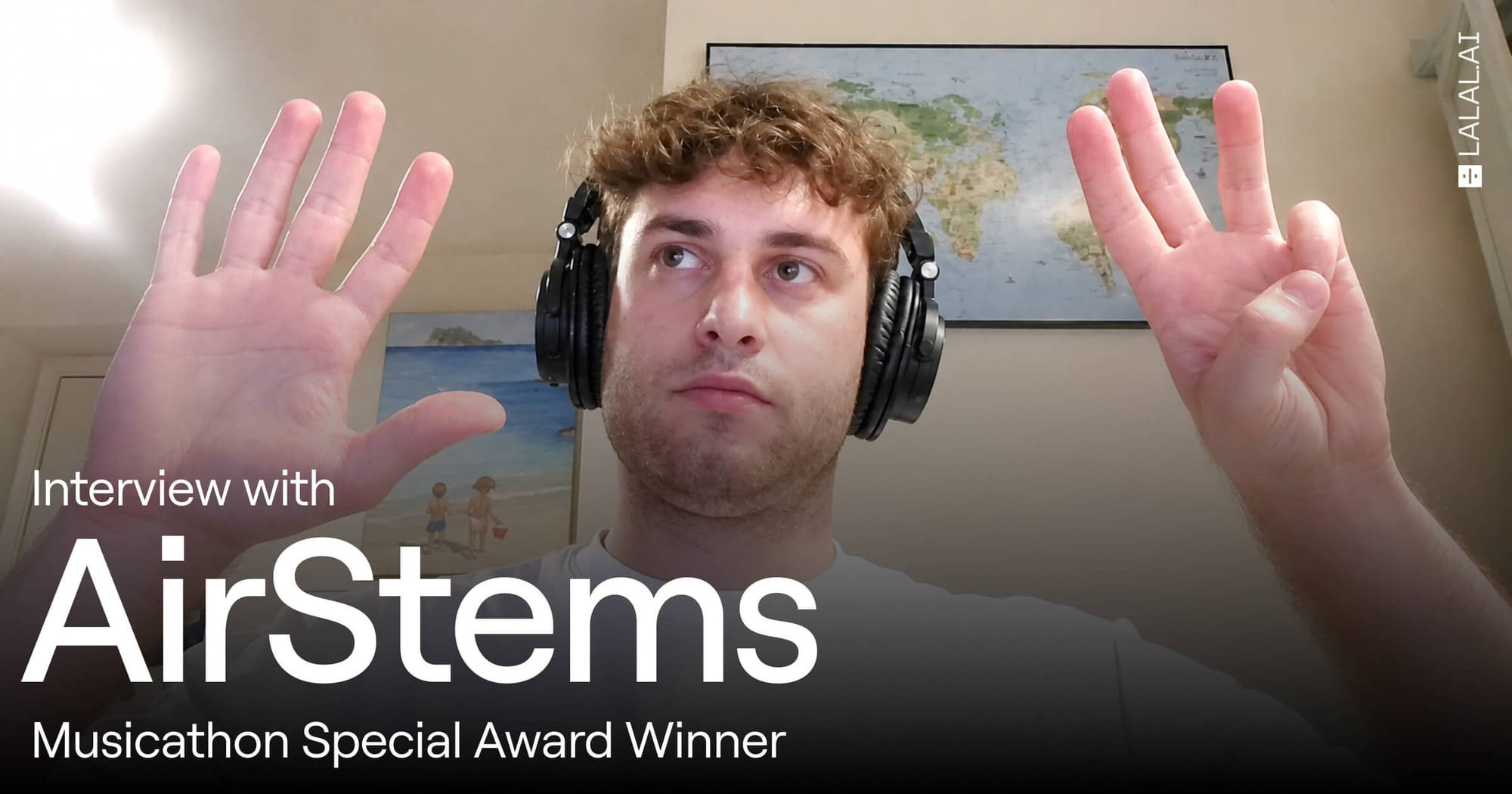
Editorial graphics: AirStems.
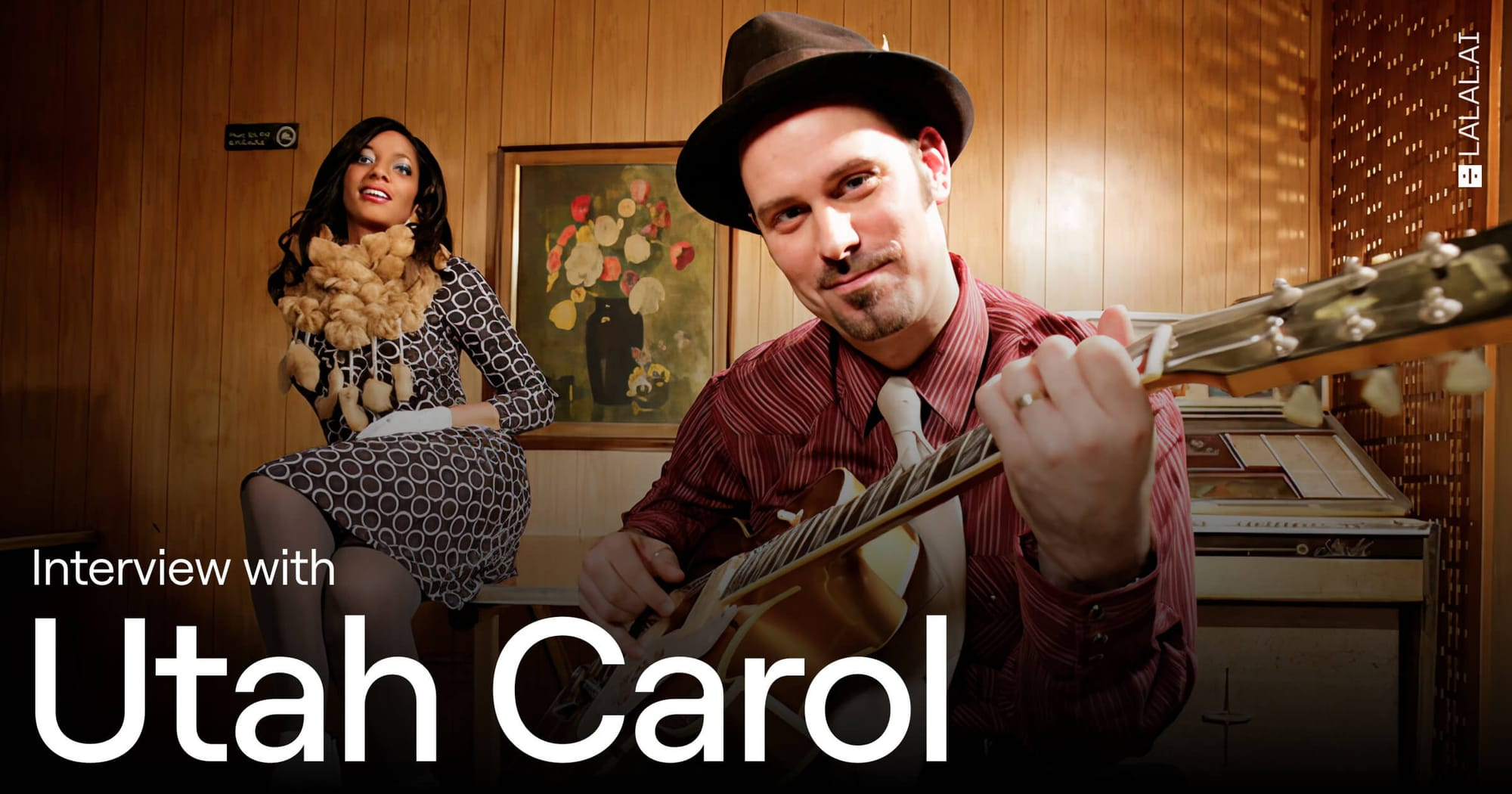
Editorial graphics: Utah Carol.
Introducing the product
For the first ads, I suggested removing the music from familiar videos and leaving only the vocals. People could hear what the service did through a concrete example. I also developed the brand’s foundations: the symbol, yellow colour, technical illustrations and simple shapes. With the team, I developed this visual language across ads, social media and product materials.
I was responsible for all marketing design: product pages, advertising, social media and editorial materials. The team and I created the graphics under my art direction. For customer stories, we established a consistent approach to photography and typography.
Developing the core workflows
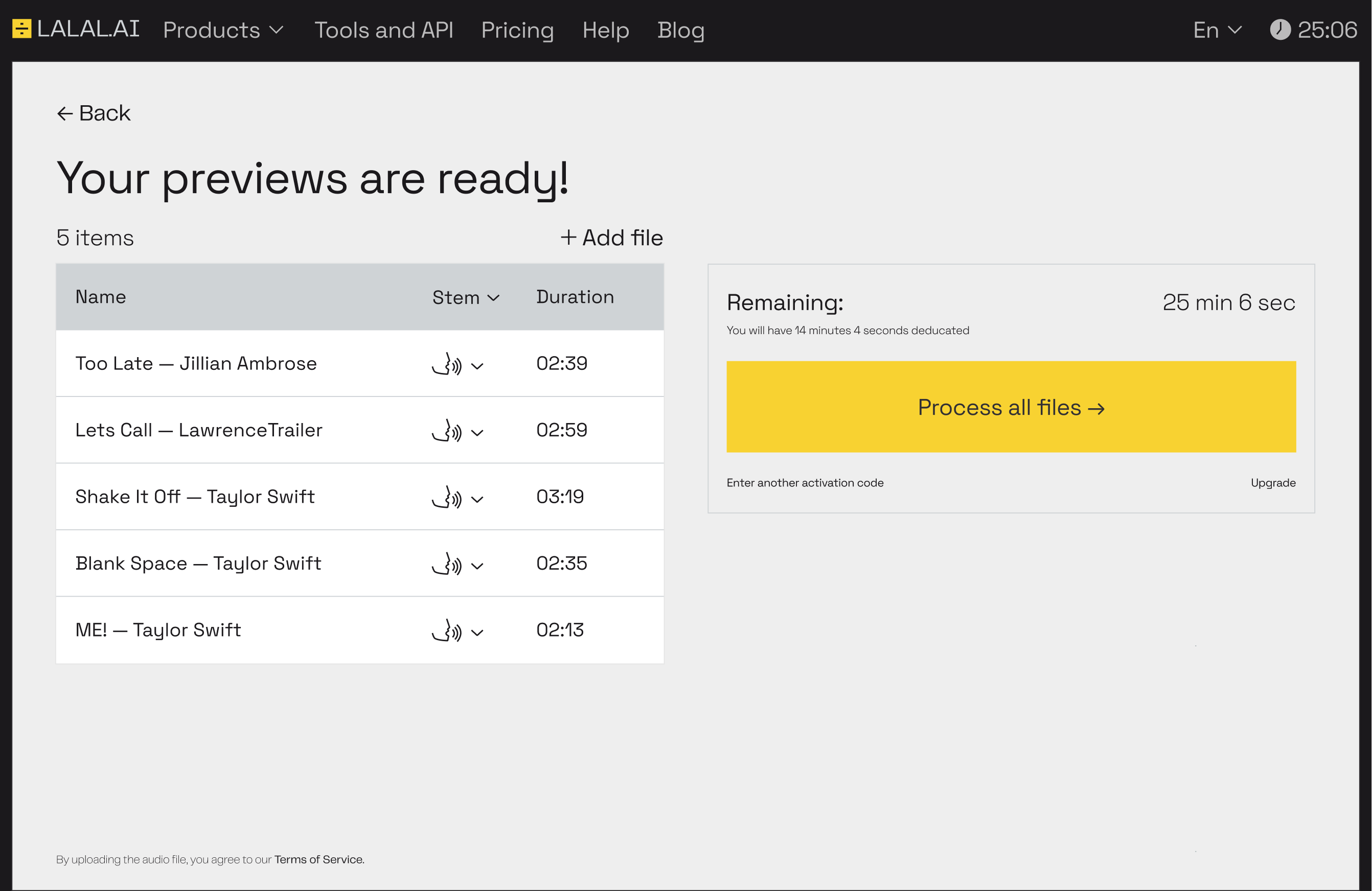
Batch upload
When people needed to process whole folders, processing every file for free would have been too expensive. I proposed keeping the first result available without registration: people uploaded a folder, received one processed file and created an account for the rest.
The total duration of the files was only known after upload. If people did not have enough minutes, the interface showed what they could process immediately and what required an additional purchase. We also worked on preserving the queue and progress through registration and payment so people would not have to start again.
After launch, the number of files and the amount of audio processed per session increased, along with purchases of minutes. We developed the feature with users and collected their feedback. The exact figures are no longer available.
Pricing changes. Initially, people bought packages of minutes. Later, we tested subscriptions and subscriptions with additional purchases, including different options for individual markets. As pricing changed, I updated the upload flow, payment and how limits were shown.
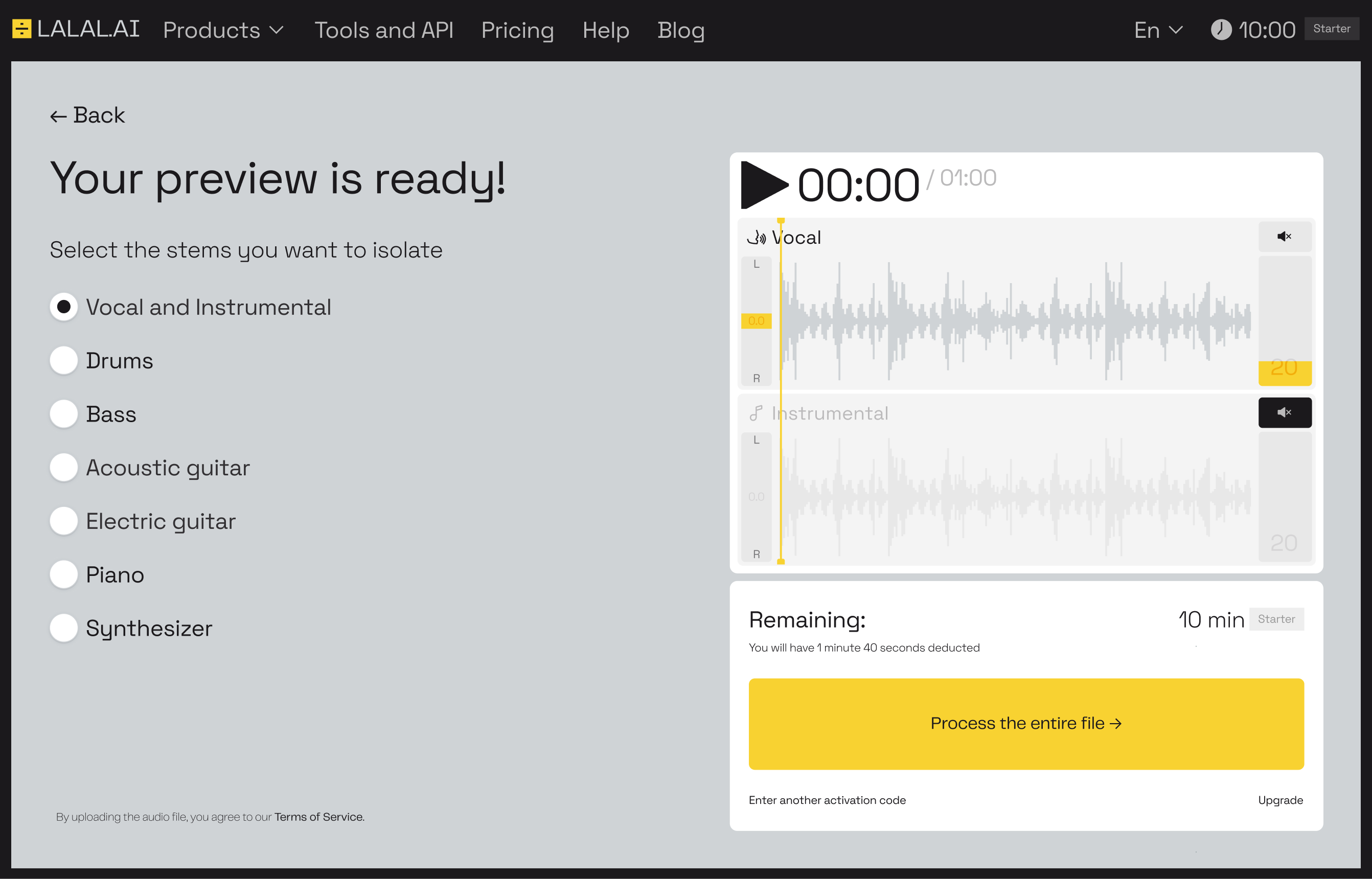
Listening and track controls
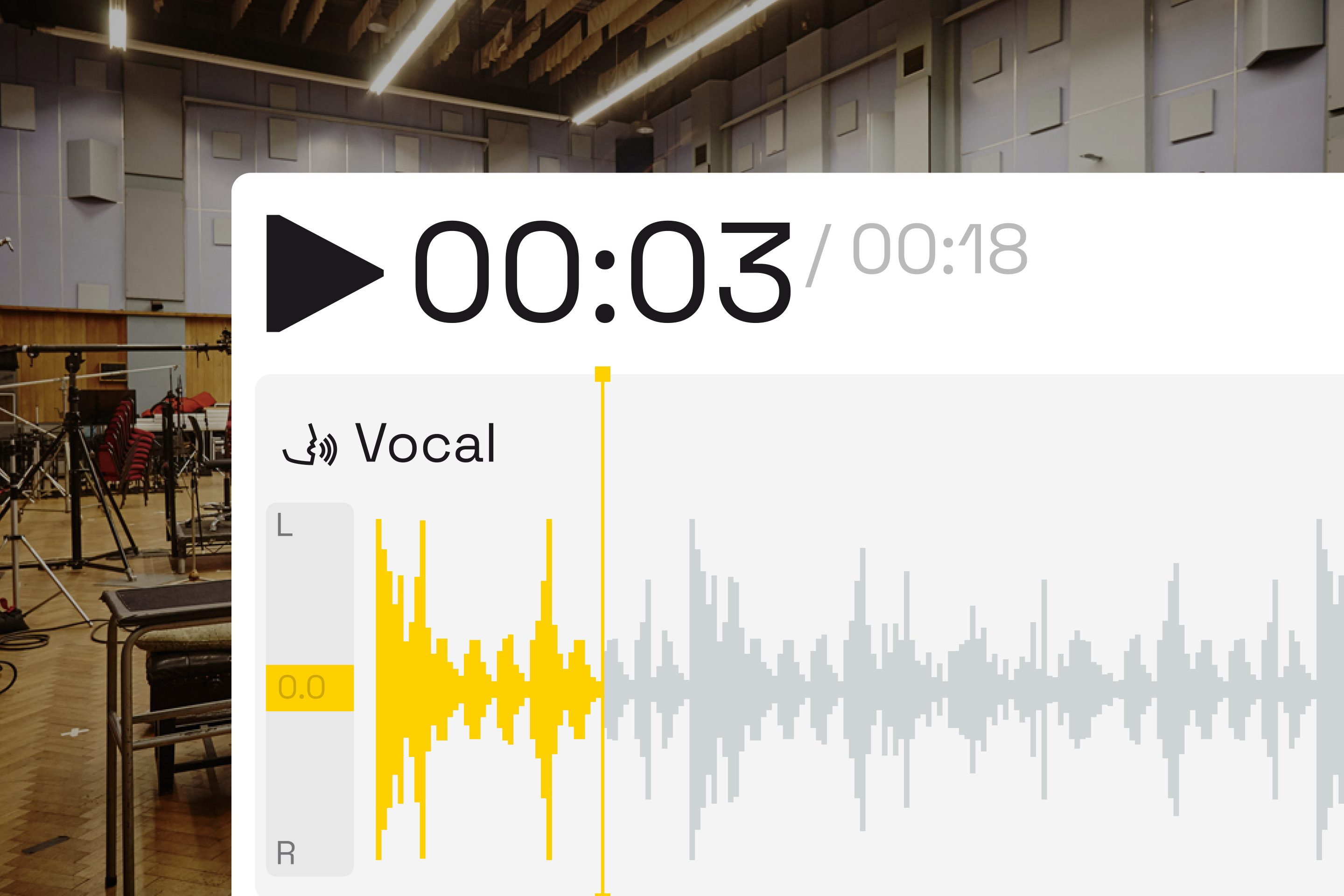
Tracks could only be played individually. I wrote the brief for a player with simultaneous playback and level controls, as in professional audio tools. The interface still needed to be simple and work across web, desktop and mobile apps. I allocated a research budget and gave a mid-level designer ownership of the work. The new player let people assess the mix directly in the preview.
The mid-level designer led the research and developed the interface options. Interviews and a survey of more than 1,000 users supported the proposed approach and helped refine level and stereo controls, preview duration and seeking. Seven of the eleven hypotheses were supported; the team went through more than 30 iterations of layouts and prototypes.
98% of responses to the feedback form after release were positive. We could not collect product metrics for this release. Designer’s case study.
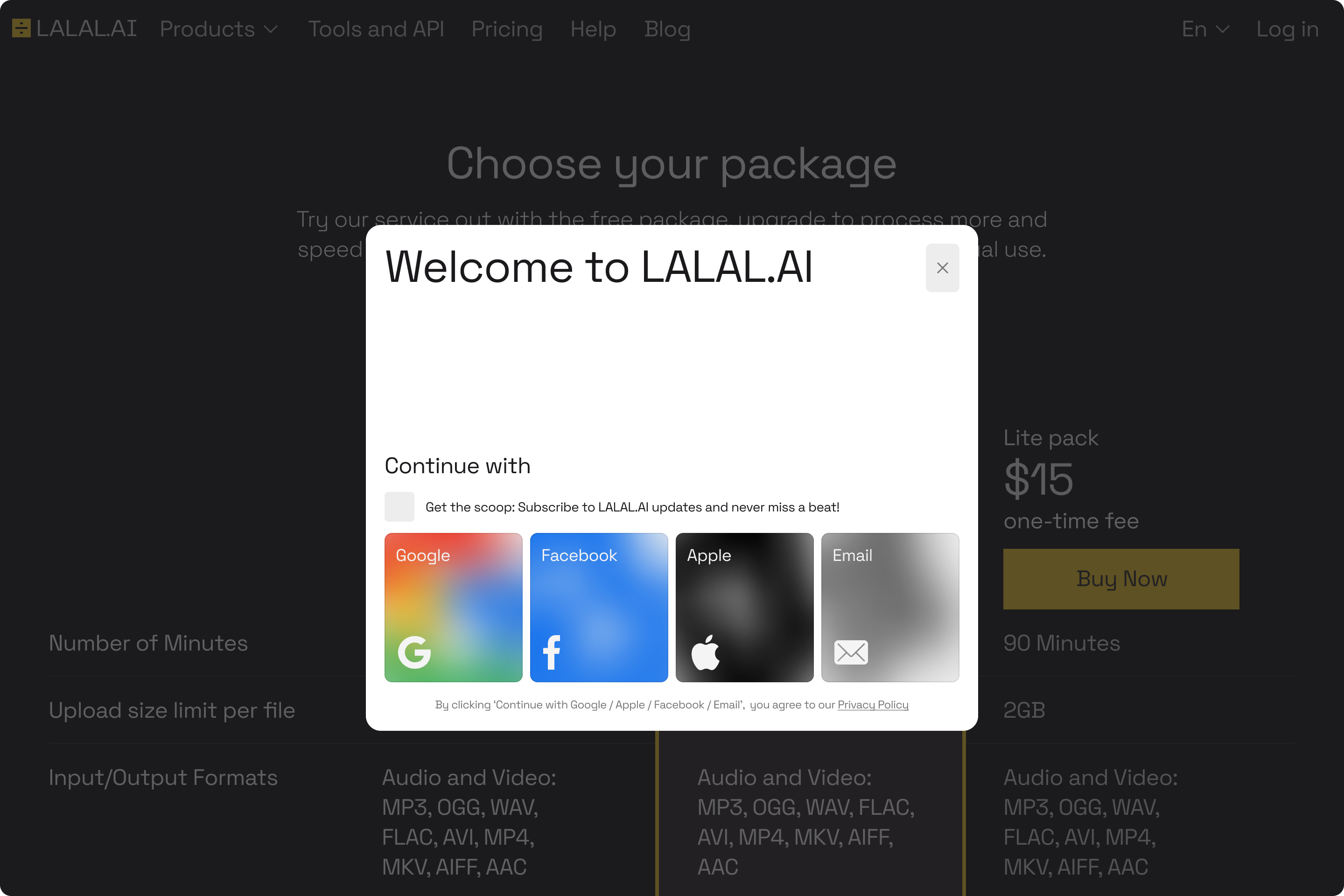
Sign-in and saved files
Returning users needed access to their results. An email link could open another tab or browser and interrupt work with uploaded files. Under my direction, the team replaced it with a six-digit code that people entered in the same session.
The team also worked through code expiry and resend behaviour. We gave social sign-in methods equal visibility and ordered them using usage data.
| Sign-in method | Change in the number of registrations |
|---|---|
| Apple | +37% |
| +28% | |
| +31% | |
| +6% | |
| All methods | +20% |
These figures describe changes in the number of registrations after release.
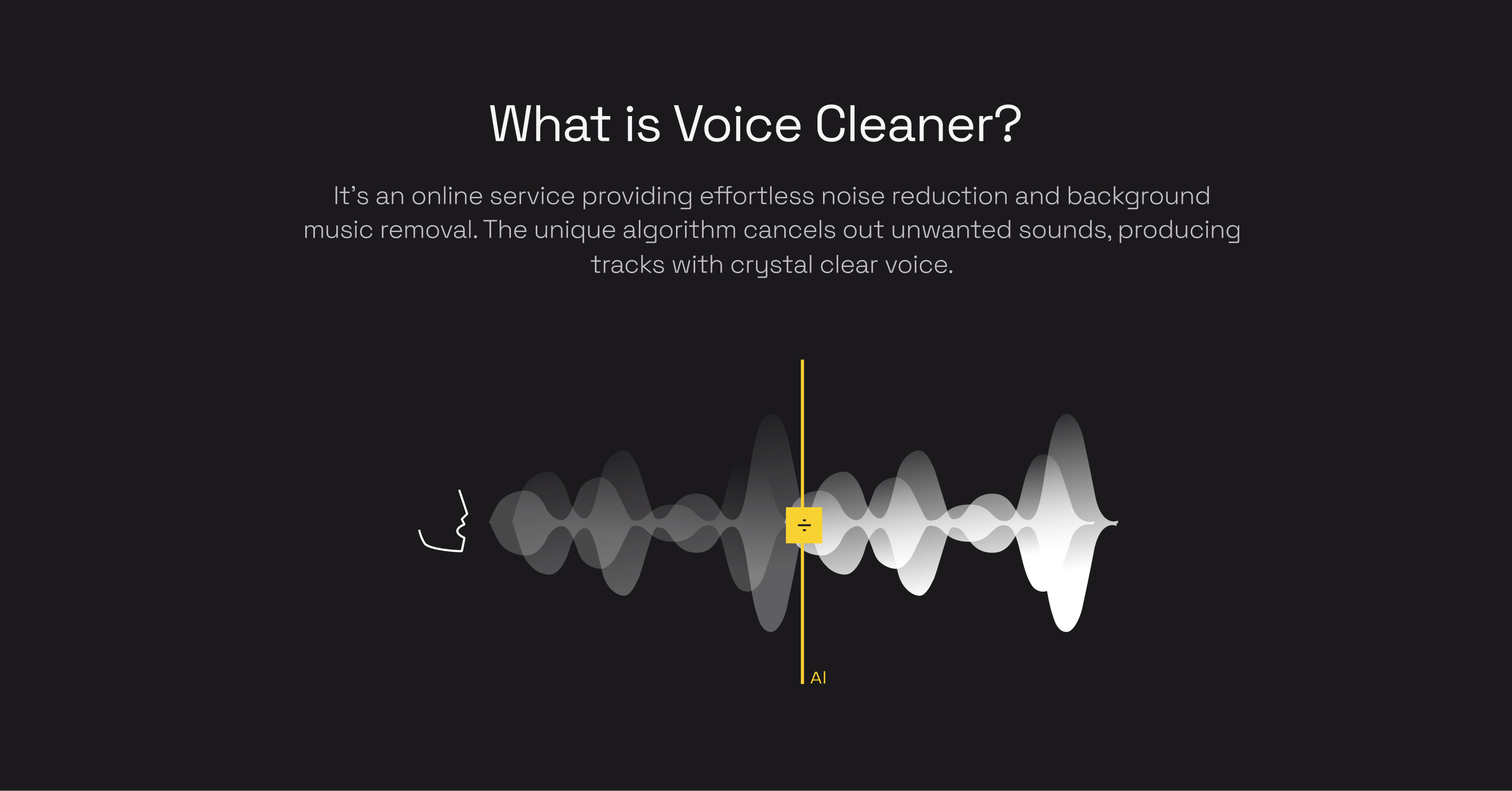
The Voice Cleaner interface.
A new product informed by research
Interviews and research in Reddit communities revealed demand for removing noise from voice recordings. Upload data also showed that people often used the service for recordings with no music. I proposed a separate tool, Voice Cleaner, and designed its core flow. To test demand, we created a product page and promoted it. Usage and revenue confirmed the demand.
The team and new platforms
I started as the only designer. I helped the first mid-level designer move from marketing design into research and UX. Over time, I hired three more designers and delegated work on new products and apps to them.
I took part in sourcing and interviewing candidates. I brought together people with different skills so the team could develop the product independently without heavy communication or management overhead. The project had no dedicated product manager. I kept responsibility for briefs, core workflows and art direction.
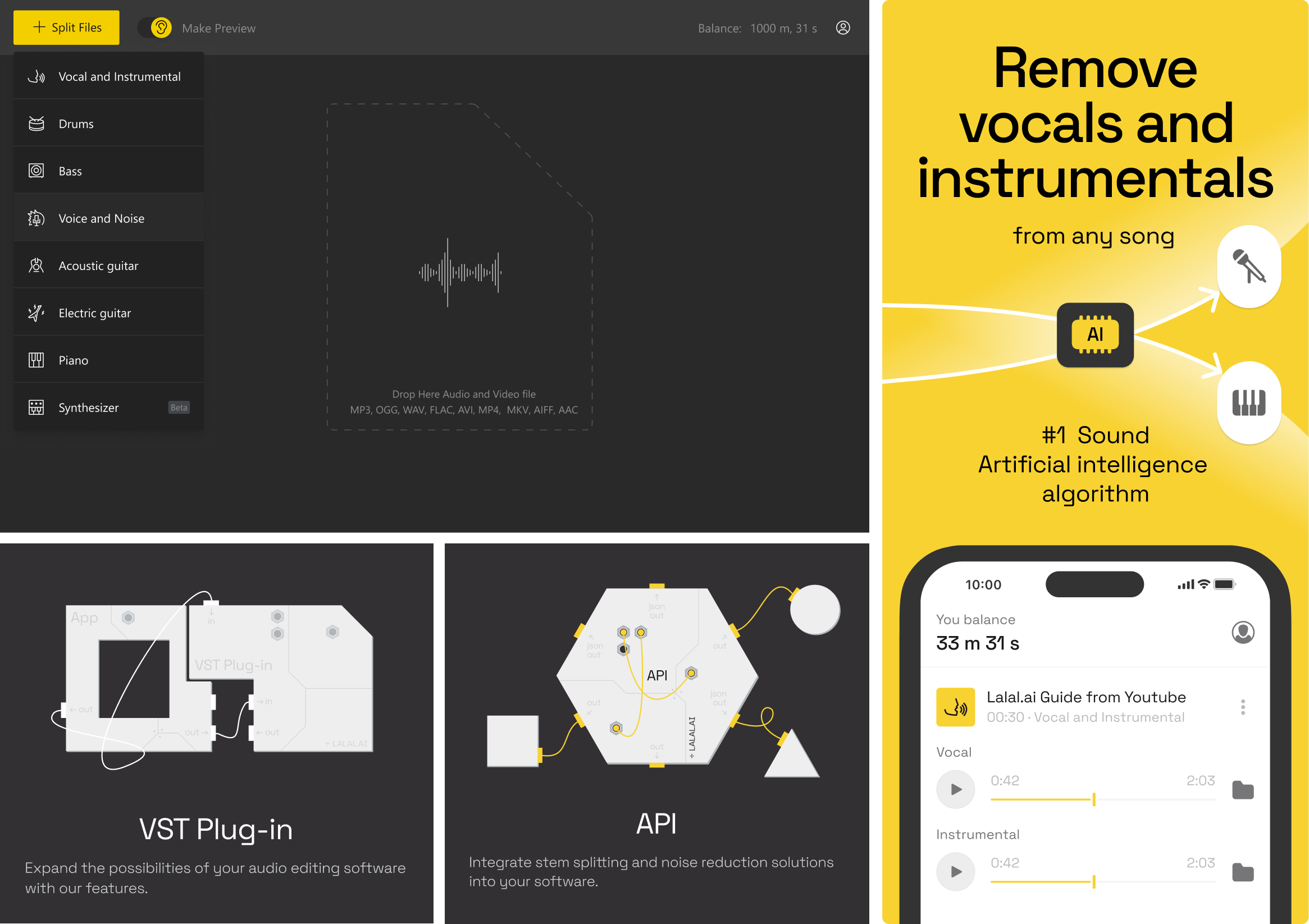
I defined shared tokens and interface principles for web, desktop, iOS, Android and the DAW plugin. This helped us adapt solutions across platforms and maintain them through updates. On the apps, I worked both as design lead and principal designer.
I led a team of four designers.
Development and breaking even
We released minimal versions, looked at usage and purchases, then decided what to improve. We organised interviews and customer research with specific user groups. Decisions often had to be made independently and under time pressure. The product broke even with a small team of six engineers.
Testing hypotheses. To attract users, we added bonuses for following our social accounts, plus affiliate and referral programmes. We also tested new product ideas.
An embeddable widget for uploading and previewing files on other websites and a separate track-mastering service did not pass validation and were not added to the product.
Results
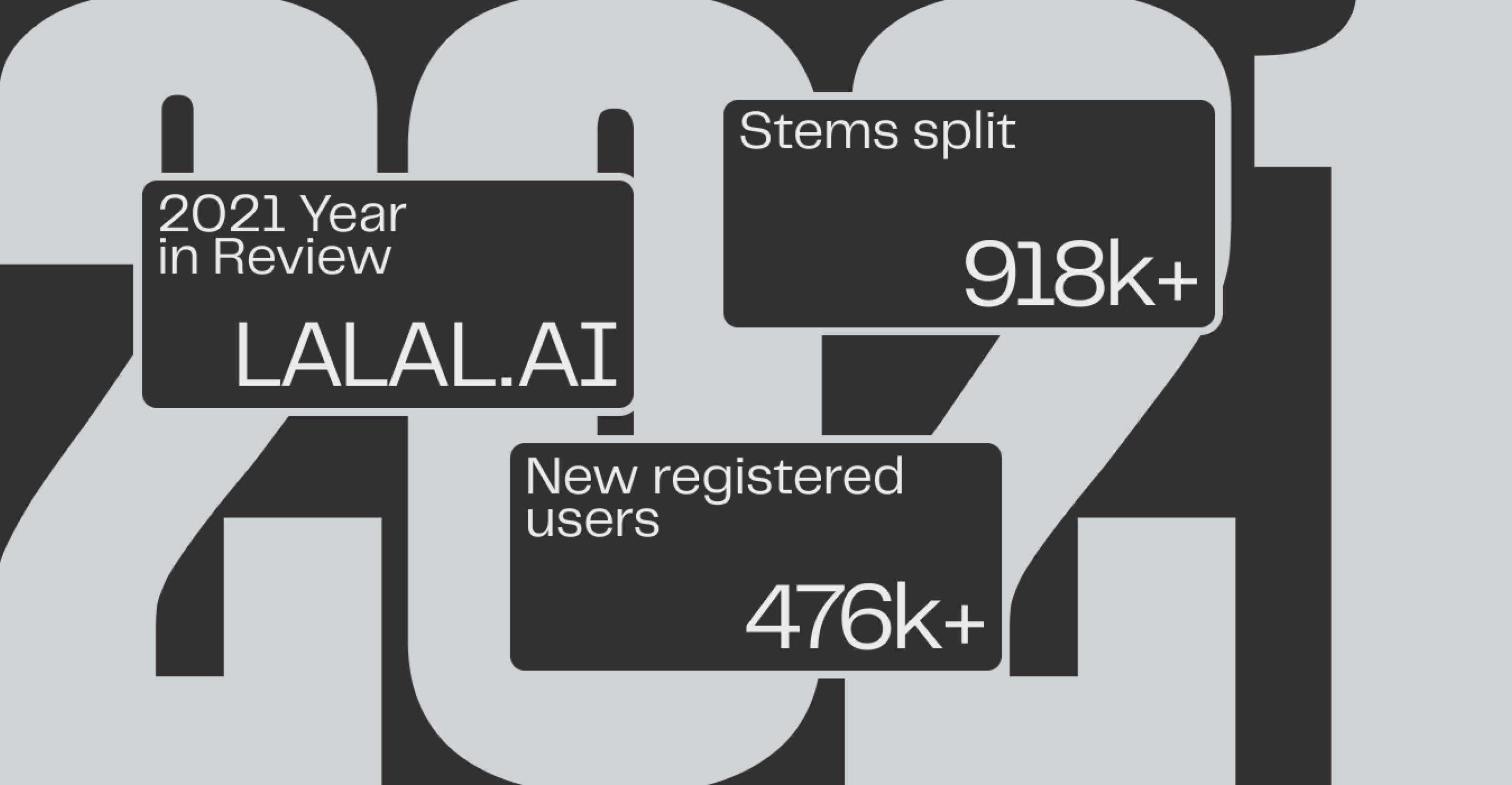
2021 in review: processed tracks and registered users.
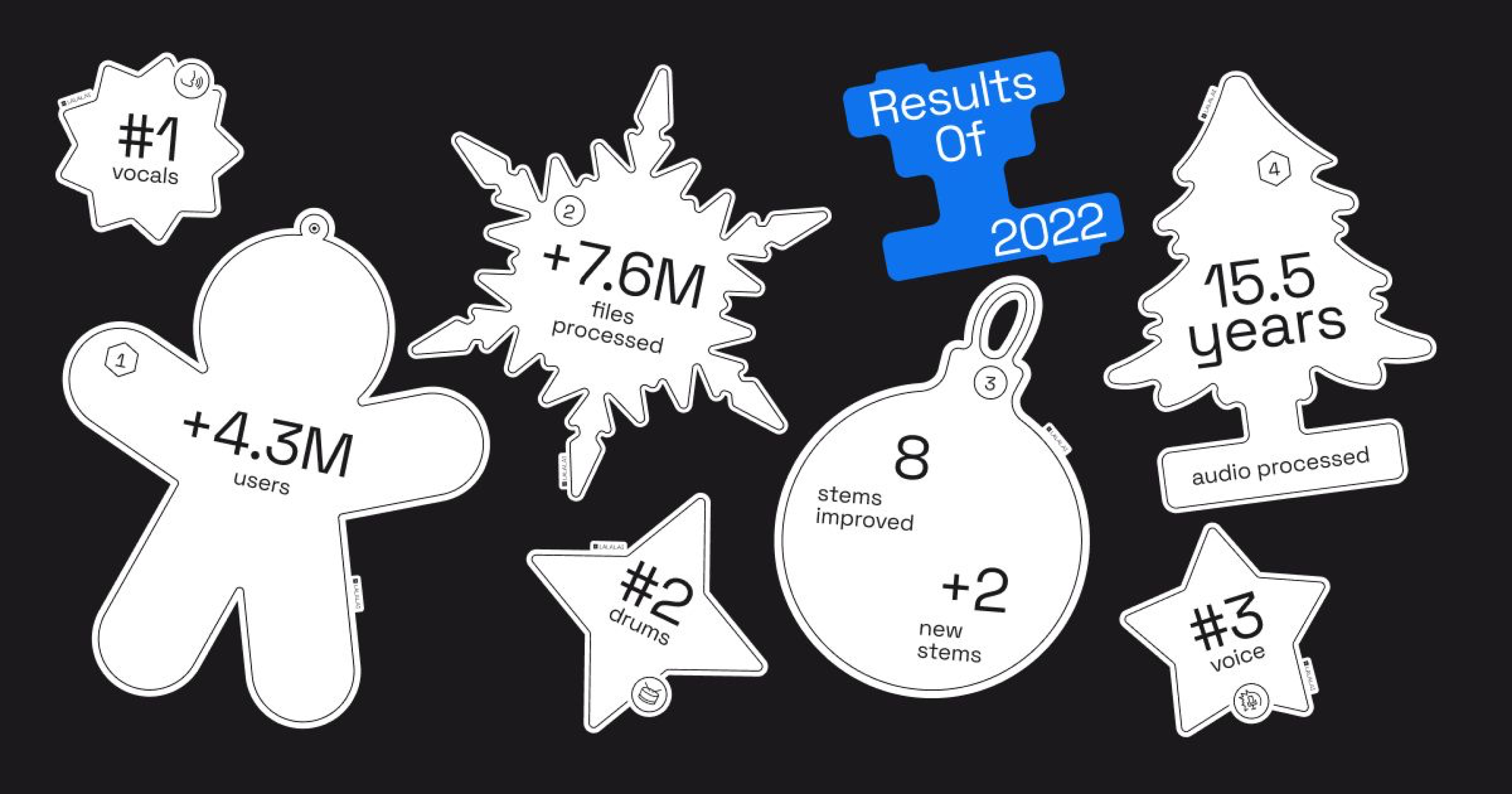
2022 in review: users, processed audio and model development.
Development by year
The annual reports use different metric definitions. This table shows scale and product development, rather than a consistent trend in active users.
A simple path to the result
- Role
- Founding Designer / Design Lead
- Period
- 2020–2026
- Product
- LALAL.AI
- Platforms
- web, desktop, iOS, Android, DAW
- Focus
- product design, research, brand and design system
- Team
- led four designers


